Longevity Clinic Equipment: What to Buy First and What Can Wait


Longevity Clinic Equipment: What to Buy First and What Can Wait
The first question most new owners ask us is which machines to buy. It is the wrong first question, and it is an expensive one to get wrong.
Our team has opened more than 50 businesses across 8 states. We have never seen a clinic fail because it lacked a device. We have seen plenty struggle under payments on equipment that sits idle most of the week. This guide covers how we decide what goes in the building and when.
Why longevity clinic equipment is the wrong place to start
Equipment is the easiest part of a clinic to copy. The clinic across town can order the same chamber next month. What it cannot copy quickly is a team that answers the phone well, runs a consultation that ends in a plan, and keeps patients on program.
So the order matters. Decide who the clinic serves and what you sell them, then buy what that program needs. If you are still at the planning stage, read How to Open a Longevity Clinic on Will Barton Ventures for the business case, and why most longevity clinics fail for what happens when the equipment comes first.
What the research and the regulators say
Four facts should shape every purchase. Each one links to its source.
| What we know | Why it matters when you buy | Source |
|---|---|---|
| High-spending consumers were 11 percentage points more likely to buy a longevity product when it came with evidence that it works. | Patients pay for proof. Buy what you can back up. | McKinsey, Future of Wellness |
| The FDA has cleared hyperbaric oxygen therapy for certain conditions, and has warned about centers promoting it for uses it has not cleared. | What you can say in marketing depends on what the device is cleared for. | US Food and Drug Administration |
| The FDA has said it has not cleared or approved any whole body cryotherapy device as a treatment for medical conditions. | A popular device is not the same as a cleared one. Check before you sign. | FDA consumer update |
| About 8 in 10 US companies (82 percent) use some form of financing when they acquire equipment. | You do not have to pay cash, but a payment is a fixed cost that arrives whether the room is busy or not. | Equipment Leasing and Finance Association |
None of this says a given therapy is good or bad medicine. That call belongs to your medical director. It says the business case for a device depends on what you can honestly claim, and on how often the room is in use.
Five questions every piece of equipment has to answer
Before we approve a purchase for a clinic we are building, the device has to pass five questions. Write the answers down.
- Which patient is it for? Name the person and the problem. “Everyone” is not an answer.
- Which program does it belong to? A device that is part of a membership or a defined program gets used on a schedule. A device sold one session at a time has to be resold every visit.
- Who runs it, and for how long? Count staff minutes and room minutes per session, including setup and cleaning. Some devices tie up a licensed provider. Others can be run by a trained technician under protocol.
- What can we say about it? Ask the vendor for the clearance paperwork and have your medical director and your attorney review the claims you plan to make.
- How many sessions a week does it need to pay for itself? Take the monthly cost of owning it, add the staff time, and work out the break-even number of sessions. Then ask whether your current patient count can fill that many.
If a device cannot pass question five with the patients you have today, it waits.
What to buy first, what comes second, and what can wait
The examples below are typical, not a prescription. Your service list and your medical director decide the specifics.
| Stage | What it covers | Typical examples | When to buy |
|---|---|---|---|
| 1. Assessment | Tools every patient uses, that produce a baseline and feed the plan | Body composition, vitals, a clean lab draw station, a proper consultation room, scheduling and patient software | Before you open |
| 2. Core therapies | One or two services your target patient will use regularly inside a program | The therapies your programs are built around | Once the first programs are selling and the schedule shows demand |
| 3. Big single-purpose machines | High-cost equipment with a narrow use and a large footprint | Chambers, advanced imaging, anything that needs its own room | After you have proven demand by referring out or partnering first |
Stage one surprises people. The most valuable equipment in a longevity clinic is usually the least glamorous: the tools that let you show a patient where they are today and where they are three months from now. Measured progress is what keeps a member paying.
Buy, lease or partner
| Option | When it fits | Watch for |
|---|---|---|
| Buy | Low-cost items you will use every day for years | Tying up cash you need for payroll in the first six months |
| Lease or finance | Proven demand, and a break-even session count you already exceed | Long terms on technology that may be outdated before the lease ends, and service contracts priced separately |
| Partner or refer out | You want to test demand before you commit | A weaker patient experience if the handoff is not managed |
| Vendor placement or revenue share | The vendor is confident enough to share the risk | Minimum-use clauses and who owns the patient relationship |
Vendors often arrive with a return-on-investment sheet. Read the assumptions. Most assume a level of use from the first month that a new clinic will not reach in its first year. Ask for the number of sessions per week their typical customer runs in months one through six, in writing.
The room math most owners skip
Every room in a clinic has a job, and rent is paid on all of them. A consultation room where trained staff enroll patients into programs often earns more per square foot than a treatment room with an expensive device in it.
Before you give a device its own room, work out how many sessions that room can hold in a week at a realistic pace, and how many it holds today. If the answer is a handful of sessions on a machine that could run all day, you do not have an equipment problem. You have a sales and scheduling problem, and no new purchase will fix it.
Four equipment mistakes we see
- Buying from the vendor’s projection. The projection is a sales tool. Your own schedule is the evidence.
- Buying a device nobody is trained to sell. If the front desk cannot explain it in two sentences and the consultant does not build it into a plan, it will sit.
- Marketing past the clearance. Claims the device is not cleared for put the clinic and the medical director at risk. For the legal structure around this, see our guides on CPOM and choosing a medical director.
- Making the machine the brand. When the device is the reason patients come, the next clinic with a newer model takes them.
We learned this running clinics, not selling to them. I founded Options Medical Weight Loss in 2014, and we scaled it into one of the largest privately held medical weight loss companies in the United States before exiting to private equity in 2022. Growth came from a repeatable process that the team ran the same way in every location, not from what was in the treatment rooms. The Options founding story has the detail.
What to do Monday morning
List every device you own or plan to buy. Next to each one, write the sessions it ran last week and the sessions it could have run. That one page tells you whether your next dollar belongs in equipment or in training.
If the gap is large, start with the process. Our 360 Operational Audit shows where patients drop out between the first call and the first treatment, and secret shopping your own clinic is a good first step you can take this week. If you are still planning the build, our New Clinic Build team sets the equipment list against the business plan, and our longevity clinic consulting team works with owners from planning through the first year. You can read more about us on Our Story.
Common questions
What equipment does a longevity clinic need to open?
At minimum, the tools for a baseline assessment: body composition, vitals, a lab draw station, a consultation room, and scheduling and patient software. Therapy devices are added to match the programs you sell.
Should I lease or buy longevity clinic equipment?
Buy low-cost items you will use daily. Lease or finance larger equipment only when your schedule already shows enough demand to cover the payment. If demand is unproven, refer out or partner first.
Do I need a hyperbaric chamber or a cryotherapy chamber to compete?
No. Large single-purpose machines are the last purchase, not the first. Clinics compete on results, patient experience and a trained team, and equipment is the easiest part for a competitor to copy.
How do I know if a piece of equipment will pay for itself?
Add the monthly cost of owning it to the staff time needed to run it, then work out how many sessions a week cover that cost. Compare that number with the sessions your current patients can realistically fill.
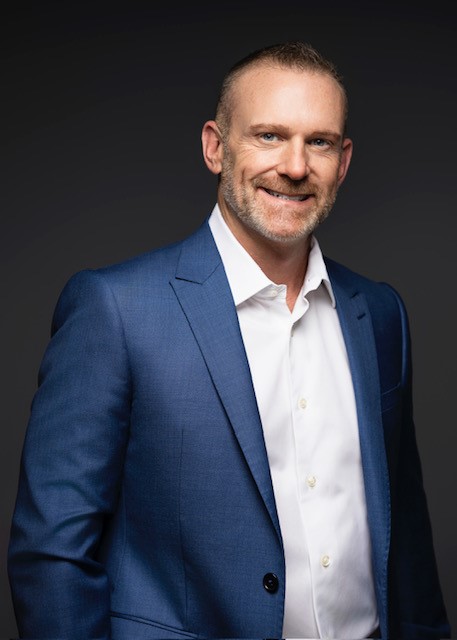
Will Barton
Founder and Managing Partner, Method Clinic Partners
Will has spent more than 20 years building wellness businesses, more than 50 of them across 8 states. He founded Options Medical Weight Loss in 2014, scaled it into one of the largest privately held medical weight loss companies in the US, and exited to private equity in 2022. He now advises clinic owners on operations, sales systems, training and leadership, and is a member of the American Academy of Anti-Aging Medicine (A4M).
Find out what your clinic could be doing.
Thirty minutes with our partners. No obligation and no pitch deck. Just a straight conversation about your clinic and whether we can help.
Start the conversation
Tell us a little about your clinic and we will send you a link to pick a time.
No obligation. We take a limited number of clinics at a time.